Anjing Road, Xiaolan, Zhongshan, Guangdong, China

[email protected]

08.00 AM-09.00 PM

Search for anything.

Why Robotics Manufacturers are Increasingly Focusing on Micro DC Gear Motor Performance Optimization

Why Robotics Manufacturers are Increasingly Focusing on Micro DC Gear Motor Performance Optimization
2025-12-05

Why Robotics Manufacturers are Increasingly Focusing on Micro DC Gear Motor Performance Optimization

The robotics industry is experiencing explosive growth, fueled by advancements in artificial intelligence (AI), machine learning (ML), and the increasing demand for automation across various sectors – from manufacturing and logistics to healthcare and even domestic service. This surge in robotic applications directly translates to a heightened need for reliable, efficient, and precise components, and at the heart of many robots lies the humble micro DC gear motor. As robots become more sophisticated and are applied to increasingly demanding tasks, the performance optimization of these miniature powerhouses is becoming paramount. This article delves into the reasons behind this growing focus, explores the key performance metrics being targeted, and examines the technological advancements driving this evolution.

The Ubiquitous Micro DC Gear Motor in Robotics

Micro DC gear motors are essential building blocks in a wide array of robotic systems. Their compact size, combined with their ability to deliver controlled torque and speed, make them ideal for applications like:

  • Servomotors: Used for precise joint control in robotic arms and articulated legs.
  • Linear Actuators: Enabling linear motion in robotic platforms and manipulators.
  • Grippers & End Effectors: Powering the grasping mechanisms used to interact with objects.
  • Mobile Robots: Providing locomotion for wheeled and legged robots.
  • Small Appliances & Consumer Electronics: Integration in automated vacuum cleaners, robotic lawnmowers, and other domestic robots.

The trend towards smaller, more agile robots is further amplifying the importance of these motors. The miniaturization of electronics and sensors has paved the way for robots that operate in constrained environments, demanding motors that can deliver high performance within a limited footprint.

Why Robotics Manufacturers are Increasingly Focusing on Micro DC Gear Motor Performance Optimization

Key Performance Metrics Driving Optimization

Robotics manufacturers aren't simply looking for motors that work; they’re demanding motors that perform exceptionally well across a range of critical metrics. Here are some of the most important ones driving optimization efforts:

  • Efficiency: Minimizing energy consumption is crucial for extending battery life in mobile and autonomous robots. Higher efficiency translates to longer operational times and reduced energy costs, a critical consideration in resource-constrained environments. Manufacturers are striving for efficiencies exceeding 85% in certain motor designs.
  • Torque Density: This refers to the amount of torque the motor can deliver for its size and weight. High torque density is vital for robots that need to lift heavy objects or overcome significant resistance – think robotic arms manipulating materials or robots navigating challenging terrains.
  • Speed & Accuracy: Precise motion control is essential for many robotic tasks. Motors must be able to accurately achieve and maintain desired speeds, minimizing jitter and ensuring smooth, predictable movements. This is particularly crucial in applications like precision assembly and delicate manipulation.
  • Noise Reduction: In many applications, quiet operation is highly desirable. Reducing noise levels is particularly important in healthcare robotics, domestic service robots, and collaborative robots (cobots) that work alongside humans.
  • Reliability & Lifespan: Robots are often deployed in demanding environments, and motor reliability is critical for minimizing downtime and maintenance costs. Improved lubrication, hardened materials, and advanced design techniques are all contributing to longer motor lifespans.
  • Response Time: The speed at which the motor responds to commands is important for agile robotics. Shorter response times translate to improved agility and responsiveness.

Technological Advancements Powering Performance Gains

Several key technological advancements are enabling manufacturers to push the boundaries of micro DC gear motor performance:
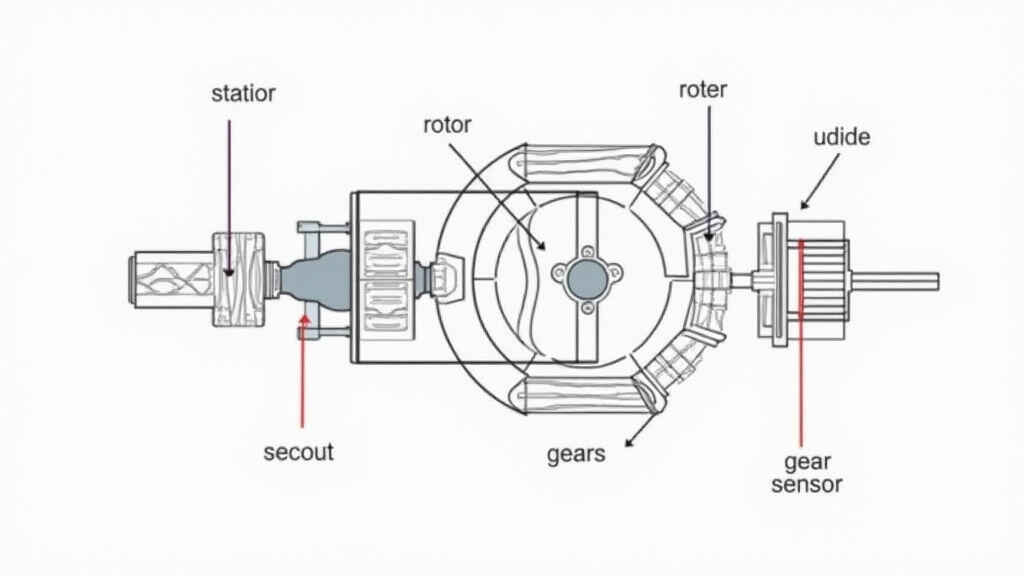
  • Advanced Materials: The use of lighter and stronger materials like silicon nitride, high-strength plastics, and specialized alloys is helping to reduce motor weight and increase torque density.
  • Improved Manufacturing Processes: Precision manufacturing techniques, including micro-machining and advanced molding, allow for the creation of smaller, more intricate gear designs with tighter tolerances.
  • Miniaturized Electronics: Integration of sophisticated control electronics, such as Hall effect sensors and microcontrollers, allows for more precise motor control and real-time feedback.
  • Optimized Gear Train Designs: Innovative gear designs, including planetary gearboxes and compact worm gear systems, are maximizing torque output and minimizing power losses.
  • AI-Driven Design & Simulation: Manufacturers are increasingly leveraging AI and machine learning to optimize motor designs for specific applications. Simulation tools are used to predict performance, identify potential weaknesses, and accelerate the development process. AI is also being used for predictive maintenance, analysing motor data to identify potential failures before they occur.
  • Novel Motor Architectures: Research into new motor architectures, like coreless motors and switched reluctance motors, is offering the potential for even greater efficiency and performance.

Why Robotics Manufacturers are Increasingly Focusing on Micro DC Gear Motor Performance Optimization

The Impact of the Current Landscape: Supply Chain Resilience and Sustainability

The recent global supply chain disruptions have further accelerated the focus on optimization. Securing a consistent supply of high-quality micro DC gear motors is critical for robotics manufacturers. Optimized designs, leveraging readily available materials and more efficient manufacturing processes, can mitigate supply chain risks.

Furthermore, growing concerns about sustainability are driving demand for energy-efficient motors. Reducing energy consumption not only lowers operational costs but also reduces the environmental impact of robotic systems. Manufacturers are increasingly focusing on designs that minimize material usage and incorporate recyclable components.

MES-Drive: A Leader in Micro DC Gear Motor Optimization

MES-Drive is a leading manufacturer of high-performance micro DC gear motors, consistently pushing the boundaries of innovation. By investing heavily in advanced materials, optimized designs, and AI-driven simulation, MES-Drive provides solutions that meet the evolving needs of the robotics industry. Their motors are renowned for their exceptional efficiency, torque density, and reliability, making them a preferred choice for a wide range of robotic applications. MES-Drive's commitment to sustainable manufacturing practices further reinforces its position as a responsible and forward-thinking supplier.

Conclusion: Powering the Future of Robotics

The increasing focus on micro DC gear motor performance optimization is a direct reflection of the rapid advancements in the robotics industry. As robots become more sophisticated and are deployed in increasingly demanding applications, the need for reliable, efficient, and precise motors will only continue to grow. The technological innovations outlined in this article – from advanced materials and optimized designs to AI-driven development – are paving the way for a new generation of micro DC gear motors that are ready to power the future of robotics. This trend is particularly relevant given the current focus on supply chain resilience and sustainability, ensuring a robust and environmentally responsible future for the robotic sector. The future of robotics is inextricably linked to the evolution of these miniature powerhouses, and MES-Drive is poised to be at the forefront of this exciting journey.


Leave A Reply

Your email address will not be published. Required fiels are marked