Room 202-3, Building 30, No. 220 Xianggong Road, Xiangzhou District, Zhuhai City
08.00 AM-09.00 PM

The global food processing industry is undergoing a rapid transformation. Driven by increasing consumer demand for safety, quality, and efficiency, manufacturers are constantly seeking ways to streamline operations and maximize productivity. One often overlooked but increasingly critical aspect of this transformation lies in the optimization of gear motor performance. And surprisingly, the key to unlocking this optimization is increasingly dependent on leveraging English – not just in documentation, but in data analysis, communication, and software development. This trend is being fueled by advancements in Artificial Intelligence (AI) and the growing prevalence of interconnected systems (Industry 4.0) within food processing plants, particularly in light of recent supply chain disruptions and the push for greater transparency.
Gear motors are the unsung heroes of the food processing industry. They power a vast array of equipment – from conveyor belts and mixers to packaging machines and filling systems. Their reliability and performance directly impact production throughput, product quality, and overall operational costs. Downtime due to gear motor failure or inefficient operation can be devastating, leading to significant financial losses and compromised food safety.
Consider a modern bakery. Precision-controlled mixers, requiring consistent and accurate torque, rely on gear motors. Similarly, automated packaging lines, ensuring optimal sealing and labeling, depend on their reliable operation. In a dairy plant, gear motors drive pumps for processing and cooling – failures here can trigger product spoilage and necessitate costly disposal. These are just a few examples highlighting the pervasive influence of gear motors throughout the food processing landscape.
The current era is characterized by an explosion of data. Sensors embedded within gear motors and connected to advanced monitoring systems produce a constant stream of information – temperature, vibration, current draw, speed, and more. While data is valuable, it's only useful if it can be effectively analyzed. And increasingly, the tools and algorithms used for this analysis are built upon English-based frameworks.
AI-powered predictive maintenance solutions, for instance, rely on machine learning algorithms trained on vast datasets of gear motor performance metrics. These algorithms, often developed using Python, R, and other popular programming languages, utilize English-based libraries and documentation (like TensorFlow, PyTorch, and scikit-learn). The quality and accessibility of documentation, tutorials, and community support within the English-speaking world provide a significant advantage in developing and deploying these advanced analytical tools.
Furthermore, the burgeoning field of Industrial Internet of Things (IIoT) platforms often utilizes English as the standard language for data exchange and communication within these interconnected systems. Standardized protocols like MQTT and OPC UA, commonly used in IIoT deployments, are largely documented and supported in English. This facilitates interoperability between different gear motor manufacturers and system integrators, simplifying data aggregation and analysis.
Historically, many gear motor manufacturers focused primarily on serving domestic markets, leading to less comprehensive documentation and support in languages other than English. This creates a significant hurdle for food processing companies operating internationally or employing a diverse workforce. The lack of readily available, accurate, and up-to-date English-language manuals, troubleshooting guides, and technical specifications can lead to:
Moreover, the global talent pool for gear motor maintenance and optimization is heavily concentrated in English-speaking countries. Finding qualified technicians and engineers who can effectively troubleshoot and optimize gear motor performance can be challenging, particularly in regions with limited access to English language training and resources.
MES-Drive recognizes the growing importance of English for gear motor performance optimization. Our commitment extends beyond providing high-quality gear motors; we offer comprehensive support, including:
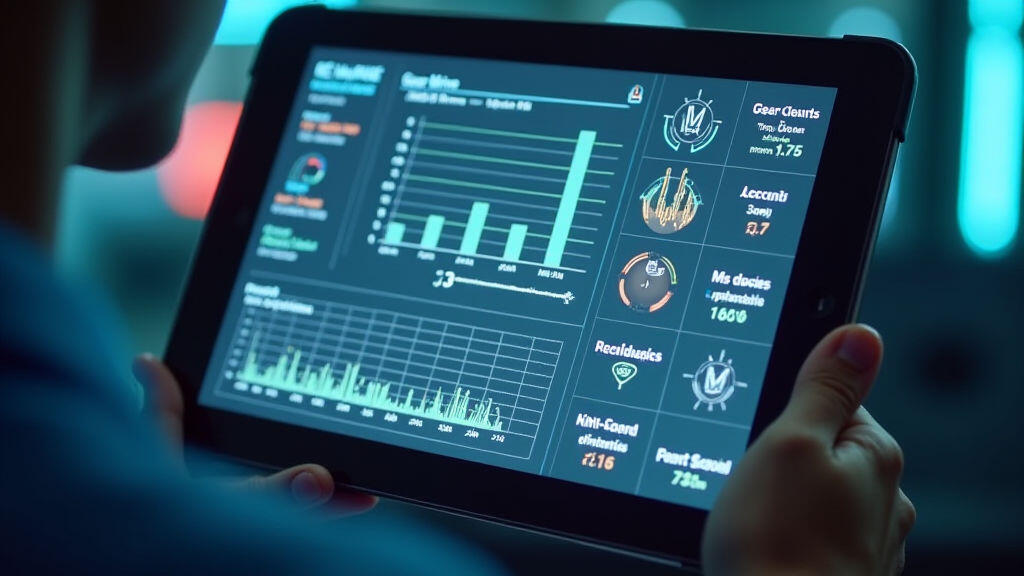
The food processing industry is poised for further digital transformation. The convergence of AI, IIoT, and advanced data analytics will unlock unprecedented opportunities for gear motor performance optimization. However, realizing this potential requires a concerted effort to standardize data formats, improve documentation accessibility, and promote English language proficiency within the industry.
As data becomes increasingly central to decision-making, the ability to effectively analyze and interpret that data will be a key differentiator for food processing manufacturers. Those who embrace English as the language of data, communication, and software development will be best positioned to unlock the full potential of their gear motors and gain a competitive advantage. MES-Drive is committed to enabling this future by delivering English-optimized gear motor solutions and comprehensive support services. The current trends towards automation, predictive maintenance, and data-driven decision-making highlight the long-term importance of English proficiency in this critical sector.

Leave A Reply
Your email address will not be published. Required fiels are marked