Room 202-3, Building 30, No. 220 Xianggong Road, Xiangzhou District, Zhuhai City
08.00 AM-09.00 PM
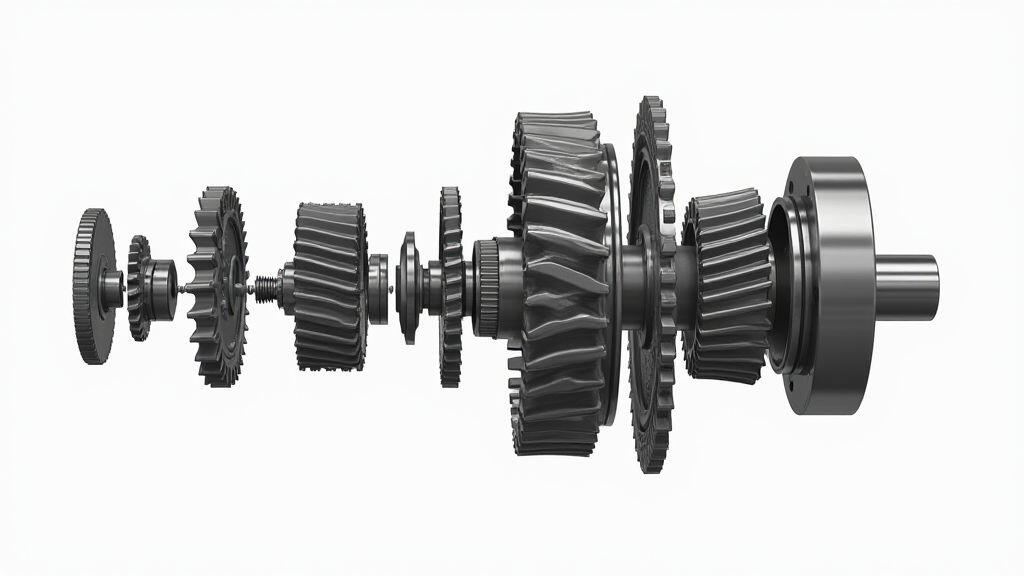
The rise of intelligent manufacturing, fueled by advancements in artificial intelligence (AI), the Internet of Things (IoT), and automation, is dramatically reshaping industries worldwide. At the heart of this transformation lies robotics – machines capable of performing complex tasks with varying degrees of autonomy. And underpinning the functionality of virtually every modern robot is the crucial component of the gear motor. This article explores the fundamental role of gear motor principles in enabling intelligent robotic systems, examining their impact on precision, efficiency, and overall performance, and highlighting how companies like MES-Drive are driving innovation in this space. Furthermore, we'll touch on how trends like generative AI are impacting gear motor design and optimization.
Gear motors combine the power of electric motors with the speed and torque amplification capabilities of gearboxes. Essentially, they take a motor's typically high-speed, low-torque output and transform it into a lower-speed, higher-torque output. This is critical for robotic applications, where precise control over motion and the ability to handle heavy payloads are paramount.
Several key principles govern gear motor performance:
Robotics applications span a vast spectrum, from industrial automation and manufacturing to healthcare, logistics, and even exploration. In each domain, gear motors play a vital role:
The advent of generative AI is poised to revolutionize gear motor design and optimization. Traditional gear motor design involves iterative prototyping and testing, a time-consuming and expensive process. Generative AI algorithms can analyze performance requirements, material properties, and manufacturing constraints to automatically generate optimal gear motor designs.
Here's how generative AI is making an impact:
MES-Drive is actively researching and implementing generative AI techniques to streamline its gear motor design process, leading to faster development cycles and improved product performance.
While efficiency remains a key driver, the future of gear motor technology is expanding to encompass:
Integrated Sensors: Embedding sensors directly into gear motors provides real-time feedback on performance parameters such as torque, speed, and vibration, enabling predictive maintenance and improved control.
Wireless Communication: IoT-enabled gear motors allow for remote monitoring and control, streamlining operations and facilitating data-driven decision-making.
Advanced Materials: Research into new materials like lightweight composites and high-strength alloys is driving improvements in torque density and durability.
Eco-Friendly Designs: Increased focus on sustainability is spurring the development of gear motors using recycled materials, energy-efficient designs, and environmentally friendly lubricants.

Gear motor principles are foundational to the progress of intelligent manufacturing and robotics. They provide the necessary power, precision, and control to enable robots to perform complex tasks efficiently and reliably. The ongoing advancements in areas like generative AI, sensor integration, and advanced materials are pushing the boundaries of gear motor technology, leading to more powerful, energy-efficient, and intelligent robotic systems.
In the context of the rapid adoption of automation and AI, gear motor technology is not merely supporting robotic systems; it’s actively driving their capabilities. As industries continue to embrace intelligent manufacturing, companies like MES-Drive, leading the way in gear motor innovation, are poised to play a pivotal role in shaping the future of robotics and beyond. The demand for high-performance, adaptable, and sustainable gear motor solutions will only continue to grow, solidifying its core role in the intelligent manufacturing revolution.

Leave A Reply
Your email address will not be published. Required fiels are marked