Room 202-3, Building 30, No. 220 Xianggong Road, Xiangzhou District, Zhuhai City
08.00 AM-09.00 PM
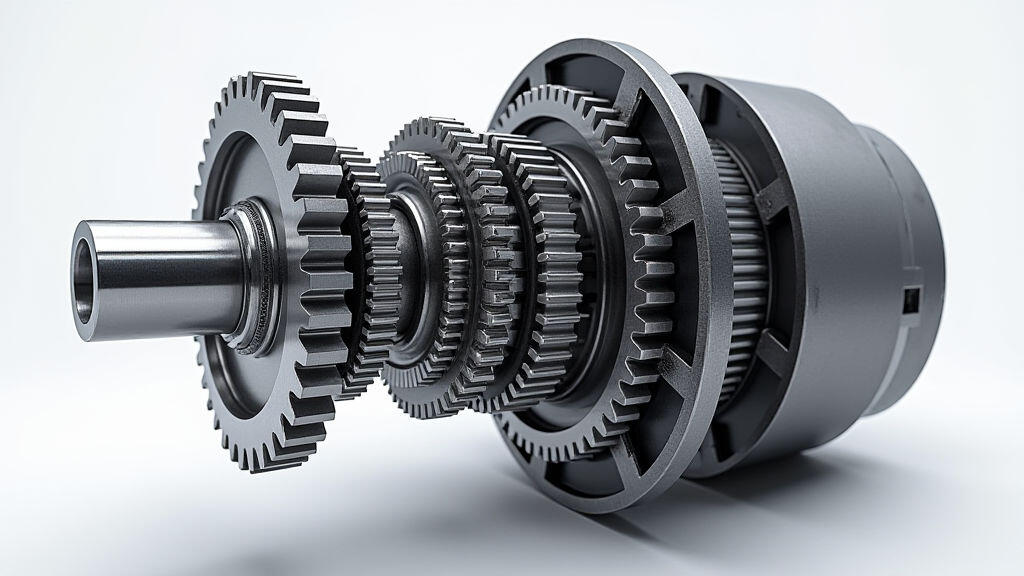
In today’s fast-paced world, efficient and reliable packaging is paramount. From food and beverage to pharmaceuticals and consumer goods, the demands on packaging machinery are constantly evolving. This evolution necessitates robust, precise, and energy-efficient components. At the heart of many packaging applications lies a critical piece of technology: the gear motor. While often unseen, gear motors are the unsung heroes driving a wide range of processes, ensuring smooth operation and contributing significantly to the overall efficiency of the entire packaging line. This article delves into the key role of gear motors in packaging equipment, exploring their functionality, benefits, common applications, and future trends, particularly in the context of the increasing focus on sustainability and automation.
A gear motor is essentially an electric motor coupled with a gearbox. The motor provides the rotational power, while the gearbox modifies this power – primarily by reducing the speed and increasing the torque. This combination offers a powerful solution for applications requiring precise control and high force output. The gearbox uses a set of gears to achieve the desired speed and torque ratio.
There are several types of gear motors, each with its own advantages and disadvantages:
Gear motors are integral to a vast array of packaging processes. Let’s examine some key applications:
The use of gear motors in packaging equipment provides numerous advantages:
The packaging industry is undergoing a significant transformation, driven by the trends of automation and sustainability. These trends are fueling innovation in gear motor technology.
Automation: The increasing adoption of robots and automated systems in packaging lines requires gear motors that are highly precise, reliable, and controllable. The demand for closed-loop control systems, enabled by advanced motor control techniques, is growing rapidly.
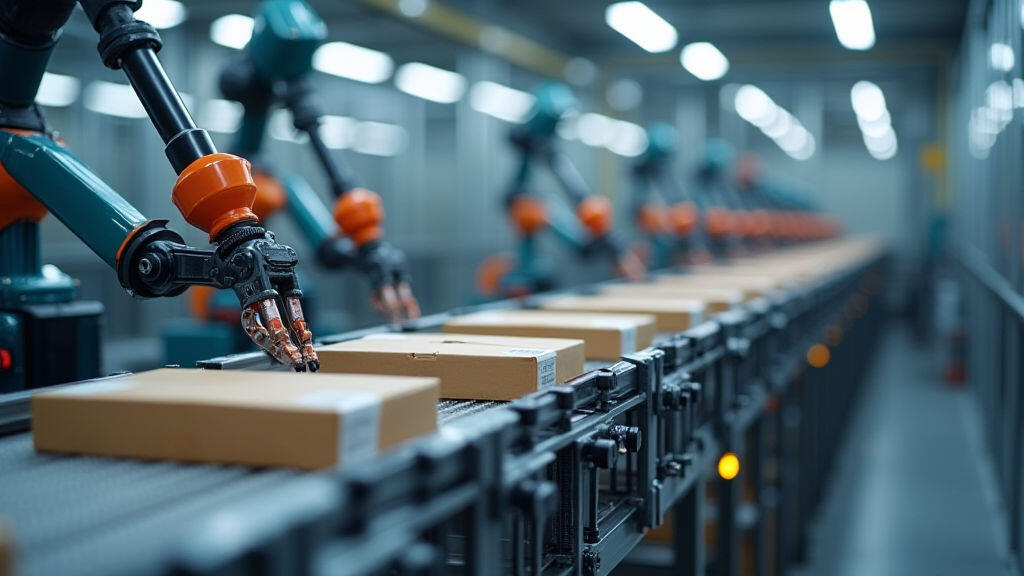
Sustainability: The focus on reducing energy consumption and minimizing waste is driving the development of more energy-efficient gear motors. This includes the use of advanced materials, optimized gear designs, and regenerative braking systems to recapture energy during deceleration. The rise of electric vehicles and the push for greener manufacturing processes are directly impacting the design and adoption of more sustainable power solutions within packaging equipment. Furthermore, the trend towards recyclable and biodegradable packaging necessitates precise equipment to handle these new materials effectively.
MES-Drive is at the forefront of developing innovative gear motor solutions specifically tailored for the evolving needs of the packaging industry. Our commitment to quality, reliability, and energy efficiency ensures that our customers can optimize their packaging operations while minimizing their environmental footprint.
Gear motors are fundamental components in modern packaging equipment, playing a critical role in driving efficiency, precision, and reliability. As the packaging industry continues to embrace automation and sustainability, the demand for advanced gear motor technology will only increase. From advanced robotic systems to energy-efficient processes, gear motors are enabling innovation across the packaging value chain. MES-Drive is dedicated to meeting these challenges, developing solutions that empower packaging manufacturers to thrive in a dynamic and demanding marketplace. The future of packaging hinges on the continued advancements in technologies like gear motors, and we are proud to be leading the way.

Leave A Reply
Your email address will not be published. Required fiels are marked