Room 202-3, Building 30, No. 220 Xianggong Road, Xiangzhou District, Zhuhai City
08.00 AM-09.00 PM
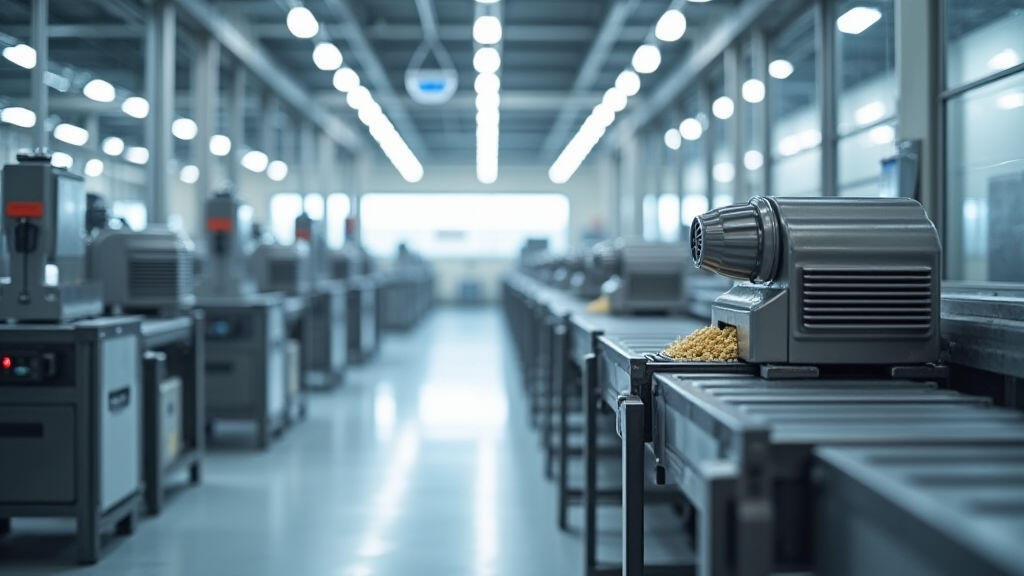
The food processing industry is a demanding one. Efficiency, precision, and hygiene are paramount, and equipment reliability directly impacts product quality, production timelines, and ultimately, profitability. At the heart of many food processing operations are electric motors, driving everything from mixers and conveyors to packaging machines and sterilization equipment. Deciding between gear motors and regular (also known as direct-drive) motors is a crucial decision with far-reaching consequences. This article will delve into the key parameters food processing enterprises should consider when making this selection, factoring in current industry trends like automation and sustainability.
Before analyzing specific parameters, let's define the two motor types. Regular motors typically provide direct rotational power to the driven equipment. They are known for their simplicity, efficiency (especially in larger sizes), and ease of maintenance. Gear motors, on the other hand, incorporate a gearbox into the motor unit. This gearbox reduces the motor's output speed while simultaneously increasing torque. This combination makes gear motors ideal for applications requiring high torque at lower speeds, a common requirement in many food processing tasks.
Several factors influence the optimal motor choice. Here's a comprehensive look at the most critical ones:
1. Torque Requirements:
This is arguably the most important parameter. Food processing often involves moving heavy loads or overcoming significant resistance. Consider the following typical applications and their torque needs:
Regular motors might suffice for lighter-duty applications with low torque requirements, but gear motors provide a safer margin and ensure consistent performance under varied loads. Data Point: A study by the Food Machinery and Equipment Institute (FMEI) found that 75% of food processing equipment relies on motors requiring varying levels of torque.
2. Speed Requirements:
The required rotational speed is another critical consideration. Many food processing tasks benefit from slower, more controlled movements.
It's vital to accurately determine the necessary speed range for each application. Over-sizing a motor is inefficient; under-sizing can lead to premature failure and process disruptions.
3. Efficiency:
Energy costs are a major concern for food processing companies. Consider the energy efficiency of each motor type.
Investing in high-efficiency motors, regardless of type, is crucial for reducing operational costs and aligning with sustainability goals.
4. Maintenance and Reliability:
Food processing environments are often harsh, with exposure to dust, moisture, and extreme temperatures.
Consider the total cost of ownership, including maintenance costs, downtime, and component lifespan. MES-Drive emphasizes using high-quality components and implementing regular maintenance schedules to maximize reliability.
5. Hygiene and Cleanability:
Maintaining a hygienic environment is non-negotiable in food processing.
6. Automation and Integration:
The food processing industry is increasingly embracing automation.
The integration of Internet of Things (IoT) technologies and predictive maintenance is transforming motor management. Sensors can monitor motor performance (vibration, temperature, current) and provide real-time data that enables proactive maintenance, minimizing downtime and extending equipment lifespan. MES-Drive offers motor monitoring solutions that leverage IoT to optimize performance and predict potential failures.
Sustainability is a key trend shaping the future of food processing. Energy-efficient motors are becoming increasingly important, driven by cost savings and environmental regulations. Gear motors, with their ability to optimize torque and speed, can contribute to energy efficiency improvements in many applications. Research into advanced gearbox designs and motor technologies is continuously improving efficiency and reducing environmental impact.
Choosing between gear motors and regular motors requires a thorough evaluation of application-specific requirements. Torque needs, speed requirements, efficiency concerns, and maintenance considerations are all crucial factors. For applications demanding high torque at lower speeds and precise control, gear motors are often the superior choice. However, regular motors remain a viable option for lighter-duty applications and where energy efficiency at higher speeds is paramount. Furthermore, embracing IoT-enabled monitoring and predictive maintenance is vital for maximizing motor performance and minimizing downtime.
In the context of the current focus on sustainability and automation, MES-Drive is well-positioned to provide innovative motor solutions that meet the evolving needs of the food processing industry. Our commitment to high-efficiency motors, advanced monitoring technologies, and responsive customer support allows food processing enterprises to optimize their operations, reduce costs, and maintain a competitive edge in a rapidly changing marketplace. The future of food processing hinges on efficient, reliable, and sustainable equipment – and the right motor is the foundation for that success.


Leave A Reply
Your email address will not be published. Required fiels are marked