Room 202-3, Building 30, No. 220 Xianggong Road, Xiangzhou District, Zhuhai City
08.00 AM-09.00 PM
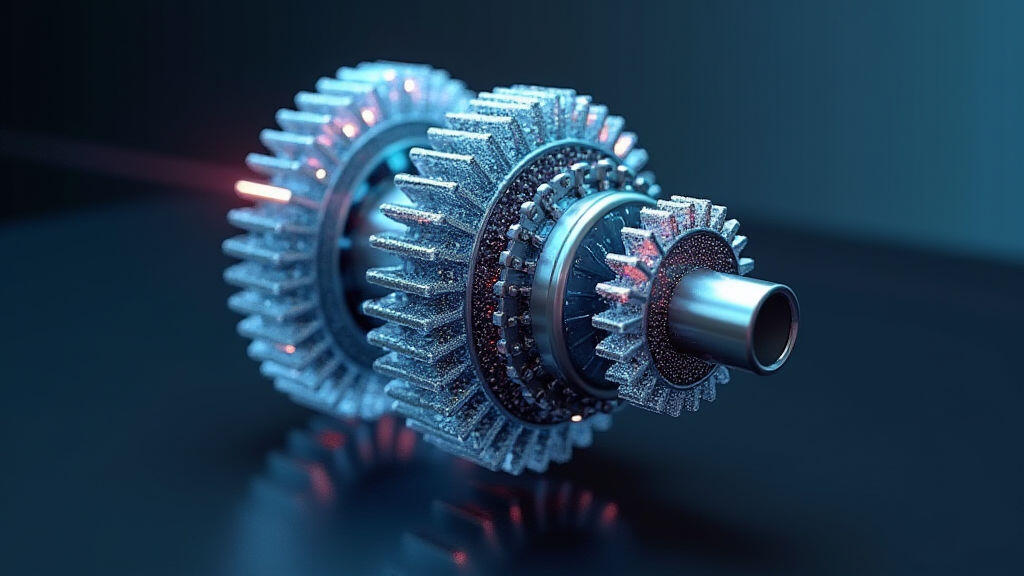
The CNC (Computer Numerical Control) machine tool industry is experiencing a period of rapid innovation, driven by advancements in automation, precision, and efficiency. This evolution demands high-performance, reliable components, and at the core of many CNC systems lies the gear motor. Selecting the right gear motor is no longer just a mechanical decision; it’s a strategic one, directly impacting productivity, cost-effectiveness, and overall machine performance. This article delves into the crucial parameters CNC machine tool enterprises must consider when choosing gear motors, exploring the factors influencing their selection process and highlighting emerging trends shaping the future of this vital component.
Gear motors are integral to CNC machines, responsible for converting the rotational output of an electric motor into a lower speed, higher torque output. This reduction in speed is critical for achieving the precise movements required for machining operations such as milling, drilling, and turning. They are commonly used in various applications within a CNC machine, including spindle drives, linear actuators, and indexing tables. The efficiency and accuracy of the gear motor directly translate to the performance of the entire machine. Choosing a subpar gear motor can lead to decreased precision, increased vibration, higher energy consumption, and ultimately, reduced profitability.
Several parameters demand careful consideration when selecting gear motors for CNC applications. Failing to address these requirements can lead to operational issues and decreased machine lifespan. Here’s a detailed breakdown:
1. Torque Requirements: This is arguably the most important parameter. CNC machines often require substantial torque, particularly for heavier cutting operations or when dealing with large workpieces. Accurately calculating the required torque involves analyzing the load on the machine axis, considering factors like material hardness, cutting speed, and feed rate. It's essential to factor in a safety margin to accommodate unexpected loads and ensure consistent performance. Miscalculation here can lead to motor stalling, excessive wear, and potential damage to the machine. Recent trends towards heavier workpieces and more aggressive machining cycles are increasing torque demands, making accurate torque calculation more critical than ever.
2. Speed and Accuracy: CNC machines require precise and repeatable movements. The gear motor's output speed must match the axis requirements of the machine. Moreover, the accuracy of the gear ratio and the overall precision of the gear mechanism are crucial for achieving the desired positioning accuracy. Considerations include backlash (the amount of play in the gear mechanism), which can significantly affect accuracy, especially in high-precision applications. Modern CNC machines often rely on closed-loop control systems, demanding high accuracy and minimal backlash from the gear motor.
3. Efficiency: Energy efficiency is not only environmentally responsible but also translates to lower operating costs. Gear motor efficiency is influenced by factors like material selection, gear design, and lubrication. Higher efficiency translates to less energy consumption, reduced heat generation which can improve system reliability, and lower electricity bills. Manufacturers are increasingly focusing on high-efficiency gear motor designs incorporating advanced materials and optimized gear geometries.
4. Gear Ratio: The gear ratio determines the relationship between input and output speed and torque. Selecting the appropriate gear ratio is crucial for matching the motor's output to the machine's requirements. A higher gear ratio results in lower output speed and higher output torque, while a lower ratio provides higher speed and lower torque. Determining the optimal ratio requires careful consideration of the machine's mechanical design and operating parameters.
5. Reliability and Durability: CNC machines operate continuously and often under demanding conditions. The gear motor must be robust and reliable to withstand continuous operation, vibration, and thermal stresses. Material selection (e.g., hardened steel, specialized alloys), gear design (e.g., helical gears, planetary gears), and lubrication play a key role in ensuring durability. Consider factors like operating temperature, humidity, and potential exposure to cutting fluids.
6. Noise and Vibration: Excessive noise and vibration can be disruptive and potentially damage the machine. Gear motor designs should minimize noise and vibration through techniques like optimized gear geometry, balancing, and vibration damping. Regulations related to noise levels in industrial environments also necessitate careful consideration.
7. Size and Weight: Space constraints are often a factor in CNC machine design. The gear motor must be compact enough to fit within the available space without compromising performance or accessibility for maintenance. Weight is also a consideration, particularly in machines with moving parts or those subjected to high accelerations.
8. Environmental Considerations: Modern manufacturing increasingly emphasizes sustainability. Considerations include the use of environmentally friendly materials, reduced energy consumption, and the recyclability of the gear motor. Regulations regarding the use of certain materials (e.g., RoHS compliance) must also be addressed.
The gear motor market is continually evolving, driven by technological advancements and changing industry demands. Some notable emerging trends include:
Selecting the right gear motor isn't just about matching specifications; it’s about partnering with a reliable and knowledgeable supplier. A reputable supplier can provide technical support, assistance with design optimization, and ensure timely delivery of high-quality components. MES-Drive, for example, prides itself on its strong supplier network and its commitment to providing comprehensive customer support.
Choosing the appropriate gear motor is a complex process requiring careful consideration of multiple parameters. As CNC machine tools become increasingly sophisticated and demanding, the importance of selecting high-performance, reliable, and efficient gear motors will only continue to grow. The ongoing trend towards high-efficiency motors, brushless DC technology, and integrated systems points towards a future where gear motors play an even more crucial role in driving precision, productivity, and sustainability in the CNC industry. The advancements offered by companies like MES-Drive, focusing on smart and integrated solutions, are poised to revolutionize the way CNC machines operate, enabling manufacturers to achieve higher levels of efficiency and competitiveness. As the industry navigates the complexities of Industry 4.0 and the increasing demand for automation, the gear motor will remain a cornerstone of success.

Leave A Reply
Your email address will not be published. Required fiels are marked