Room 202-3, Building 30, No. 220 Xianggong Road, Xiangzhou District, Zhuhai City
08.00 AM-09.00 PM

The agricultural industry is undergoing a technological revolution, driven by the need for increased efficiency, precision, and sustainability. At the heart of this transformation lies advancements in machinery, and a critical component powering many of these innovations is the gear motor. This article provides an in-depth analysis of gear motors, exploring their principles, performance characteristics, and diverse applications within the modern agricultural landscape. We'll also touch upon how advancements in AI and IoT are further optimizing their performance, aligning with the current push for smart farming practices.
A gear motor is essentially an electric motor coupled with a gearbox. This combination allows for significant alterations in speed and torque – a crucial feature for many agricultural applications. Electric motors provide rotational motion, but often at speeds that are too high or torque levels that are insufficient for tasks like operating implements, powering pumps, or controlling steering mechanisms. The gearbox steps down the speed while simultaneously increasing the torque.
There are several types of gear motors, each with its own advantages and disadvantages:
The choice of gear motor type depends heavily on the specific requirements of the application, including the required torque, speed, efficiency, and noise level.
Several key performance metrics are crucial when evaluating gear motors for agricultural machinery:
Modern gear motors, especially those offered by companies like MES-Drive, are engineered to meet stringent performance standards, incorporating advanced materials and manufacturing processes to maximize efficiency, minimize noise, and ensure durability in harsh agricultural environments.
Gear motors are ubiquitous in modern agricultural machinery. Here's a breakdown of some key applications:
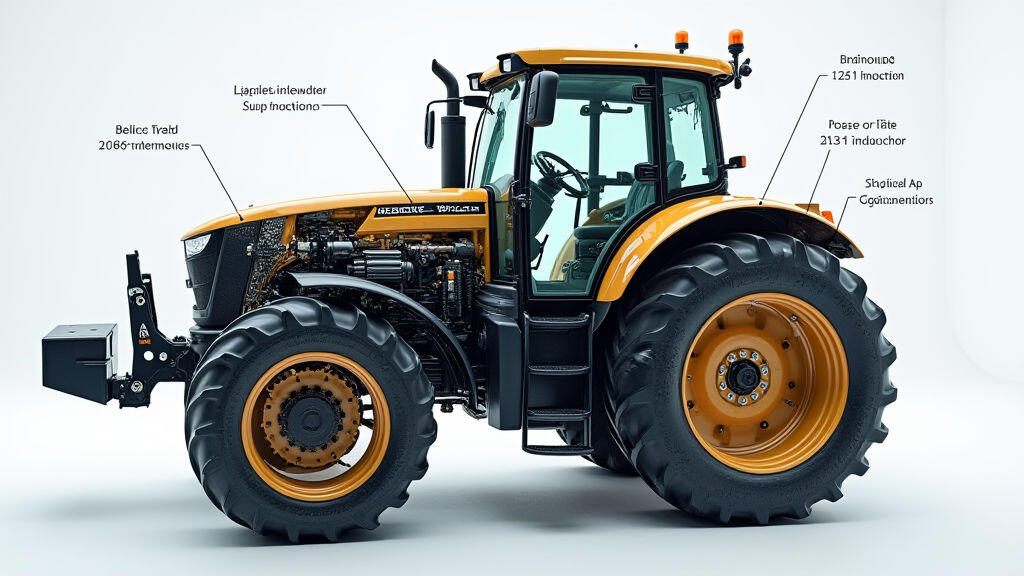
The convergence of IoT (Internet of Things) and AI is revolutionizing agriculture, and gear motors are becoming an integral part of this smart transformation. IoT sensors can monitor various parameters, such as soil moisture, temperature, and crop health. This data can be fed into AI algorithms, which can then optimize machinery operation, including the performance of gear motors.
For example, AI algorithms can adjust the speed and torque of a gear motor-driven sprayer based on real-time crop conditions, ensuring precise application of chemicals and minimizing waste. Similarly, AI can optimize the operation of a gear motor-driven harvester to maximize yield and minimize damage to crops.
Furthermore, MES-Drive is incorporating connectivity features into its gear motors, enabling remote monitoring and diagnostics. This allows farmers to identify potential problems before they escalate, reducing downtime and improving overall efficiency. Data collected from these connected motors can also be used to improve future designs and optimize performance.
Gear motors are indispensable components in modern agricultural machinery, enabling efficiency, precision, and automation. The ongoing trend towards smart farming, driven by IoT and AI, is further enhancing the capabilities of these motors. By optimizing performance, improving reliability, and facilitating remote monitoring, advancements in gear motor technology like those offered by MES-Drive are playing a crucial role in addressing the challenges of food security and sustainable agriculture.
Looking ahead, we can expect even greater integration of AI and IoT into gear motor technology, leading to more intelligent and autonomous agricultural systems. This evolution will not only enhance productivity but also contribute to a more sustainable and resilient agricultural industry – a vital need in the face of a growing global population and the increasing pressures of climate change. The future of farming is powered by smart mechanics, and gear motors are at the very core of that transformation.

Leave A Reply
Your email address will not be published. Required fiels are marked