Room 202-3, Building 30, No. 220 Xianggong Road, Xiangzhou District, Zhuhai City
08.00 AM-09.00 PM
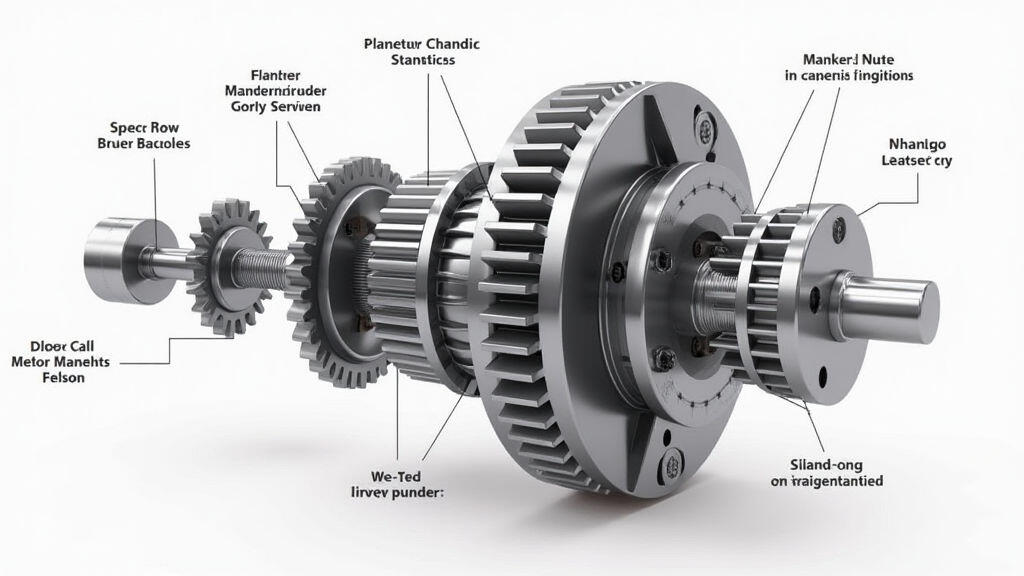
The medical equipment field is a rapidly evolving landscape, driven by technological advancements and increasing demands for precision, reliability, and efficiency. At the heart of many medical devices lies a crucial component: the gear motor. Selecting the right gear motor isn’t just a technical decision; it significantly impacts patient safety, device performance, and overall cost. This article shares practical experience and insights into gear motor selection specifically for medical applications, considering factors relevant in today’s dynamic environment, including the rise of personalized medicine and remote patient monitoring.
Gear motors are electromechanical devices that combine a motor with a gear reducer. This combination offers a powerful and versatile solution for providing controlled rotational motion with increased torque and reduced speed. In medical equipment, they're found in a wide range of applications, including:
Selecting a gear motor for medical equipment requires careful consideration. Here’s a breakdown of the most important factors:
1. Torque and Speed Requirements: This is the fundamental starting point. The gear motor must deliver the required torque at the desired speed for the specific application. Over-specifying torque leads to increased cost and inefficiency, while under-specifying can compromise performance and reliability. Medical devices often have varying torque and speed needs throughout their operation.
2. Precision and Accuracy: Medical applications demand high precision. The gear motor's accuracy in delivering rotational motion is critical, especially in surgical robots and diagnostic equipment. Consider factors like backlash (the amount of "play" in the gears) and the motor's repeatability.
3. Reliability and Durability: Medical devices operate continuously, often in demanding environments. Gear motors must be highly reliable and durable to withstand prolonged use and potential abuse. This includes resistance to vibration, shock, and temperature variations. High-quality materials and robust design are essential.
4. Noise and Vibration: Noise and vibration can be especially problematic in patient-facing medical equipment. Minimize these through proper gear selection, motor mounting, and damping techniques. Patient comfort and staff concentration depend on a quiet operating environment.
5. Size and Weight: Space constraints are often a significant concern in medical devices. Choose a gear motor that fits within the available space without compromising performance. Weight is also a factor, influencing portability and ease of integration.
6. Environmental Considerations: Medical environments can be harsh. Consider factors like exposure to sterilization processes (autoclaving, chemical disinfection), humidity, and temperature. Ensure the gear motor is rated for the specific environmental conditions.
7. Safety and Regulatory Compliance: Medical equipment is subject to strict regulatory requirements (e.g., FDA in the US, CE marking in Europe). The gear motor must comply with these standards, including electrical safety (IEC), electromagnetic compatibility (EMC), and biocompatibility if the motor is in contact with patients.
Different types of gearboxes offer different advantages. Here’s a brief overview:
Several emerging trends are significantly influencing gear motor selection in medicine:
Over the years, we've learned several valuable lessons in gear motor selection for medical equipment.
MES-Drive is committed to providing high-quality, reliable gear motors specifically designed for the medical equipment industry. We offer a wide range of gearbox types, custom design capabilities, and comprehensive technical support. Our motors are manufactured to stringent quality standards and comply with relevant regulatory requirements. We also focus on continuous innovation, developing new gear motor solutions to meet the evolving needs of the medical field.
The selection of a gear motor is a pivotal decision in the development of medical equipment. The trends towards miniaturization, wireless control, AI integration, and personalized medicine are driving demand for increasingly sophisticated and reliable gear motor solutions. A meticulous approach to selection, prioritizing precision, durability, and regulatory compliance, is essential for ensuring patient safety and device performance. With advancements in materials science, manufacturing technology, and design innovation, gear motors will continue to play a critical role in shaping the future of healthcare, especially as diagnostics and treatments move towards increasingly data-driven and remotely-controlled models. Selecting wisely now will prepare medical device manufacturers to meet the demands of tomorrow and contribute to a more efficient, personalized, and accessible healthcare system.

Leave A Reply
Your email address will not be published. Required fiels are marked