Anjing Road, Xiaolan, Zhongshan, Guangdong, China

[email protected]

08.00 AM-09.00 PM

Search for anything.

A Comprehensive Guide to the Types and Advantages of Gear Motor Models for Automotive Parts

A Comprehensive Guide to the Types and Advantages of Gear Motor Models for Automotive Parts
2025-12-04

A Comprehensive Guide to the Types and Advantages of Gear Motor Models for Automotive Parts

The automotive industry is undergoing a seismic shift, driven by the accelerating trend towards electrification and autonomous driving. This transformation demands increasingly sophisticated and efficient components, and at the heart of many modern vehicles lie gear motors. These compact power units are essential for driving a vast array of automotive parts, from power windows and door locks to electric seat adjustments and, crucially, in electric vehicle (EV) powertrains. This guide provides a comprehensive overview of the various types of gear motors employed in automotive applications, highlighting their advantages and discussing future trends impacting their design and performance.

What is a Gear Motor and Why are They Important?

A gear motor combines an electric motor with a gearbox to reduce rotational speed and increase torque. This seemingly simple combination unlocks significant benefits for automotive applications. Electric motors typically operate at high speeds but produce relatively low torque. Gearboxes, through their carefully designed gear ratios, transform this high-speed, low-torque output into the lower-speed, high-torque output necessary to power various automotive systems.

The importance of gear motors in the modern automotive landscape cannot be overstated. Their compact size, high efficiency, and reliable performance make them ideal for applications where space and weight are critical considerations. Furthermore, gear motors play a key role in enhancing driver comfort, safety, and overall vehicle efficiency. As the automotive industry races towards a greener future, the demand for high-performance, energy-efficient gear motors is only set to increase.

Types of Gear Motors Used in Automotive Applications

Several types of gear motors are commonly used in automotive applications, each offering unique characteristics and advantages. Here’s a detailed look at the most prevalent models:

1. Spur Gear Motors:

Spur gear motors are among the simplest and most cost-effective designs. They feature straight, parallel teeth on the gears.

  • Advantages: High efficiency, relatively low cost, simple construction, and robust.
  • Disadvantages: Noisier operation, limited speed reduction ratios, and higher wear compared to other types.
  • Applications: Power windows, door locks, wipers, and other low-power applications.
  • A Comprehensive Guide to the Types and Advantages of Gear Motor Models for Automotive Parts

2. Helical Gear Motors:

Helical gear motors utilize helical gears, which are angled teeth. This design allows for smoother, quieter operation compared to spur gears.
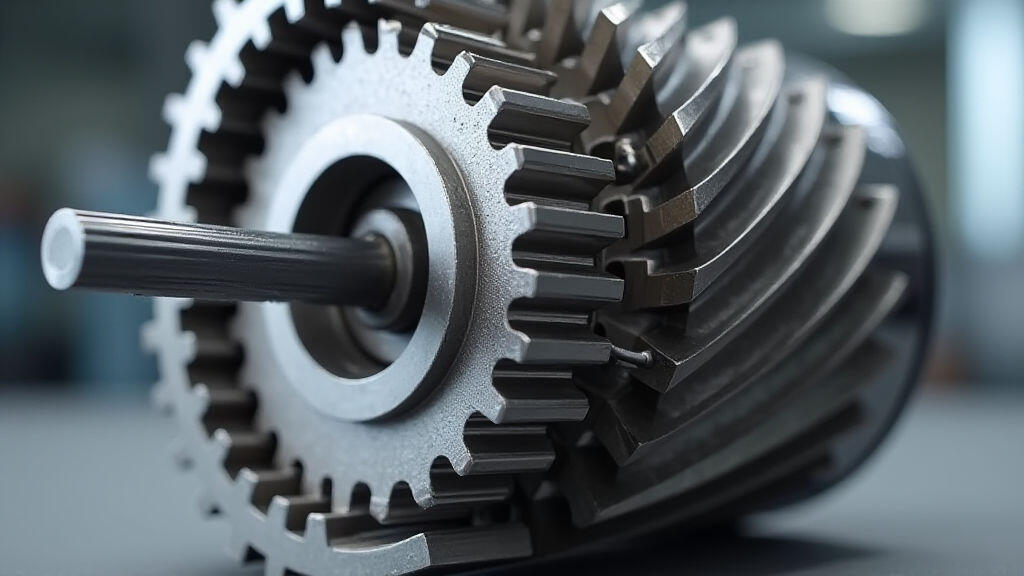
  • Advantages: Reduced noise, smoother operation, higher load capacity, and greater efficiency than spur gear motors.
  • Disadvantages: More complex manufacturing process, higher cost than spur gear motors.
  • Applications: Power steering systems, automatic window regulators, and various power-assist systems.
  • A Comprehensive Guide to the Types and Advantages of Gear Motor Models for Automotive Parts

3. Planetary Gear Motors:

Planetary gear motors are highly versatile and offer a compact design with high torque density. They consist of a central sun gear, surrounded by planet gears mounted on a carrier, all enclosed within a ring gear.

  • Advantages: High torque density, compact size, efficient power transmission, and good load distribution. They offer a wide range of gear ratios.
  • Disadvantages: More complex construction compared to spur and helical gear motors, potential for higher manufacturing cost.
  • Applications: Electric vehicle powertrains (including transmissions), advanced driver-assistance systems (ADAS), and high-performance actuators. Increasingly popular in EV applications due to their efficiency and compact size.
  • A Comprehensive Guide to the Types and Advantages of Gear Motor Models for Automotive Parts

4. Worm Gear Motors:

Worm gear motors utilize a worm (a screw-like gear) meshing with a worm wheel. They offer high gear reduction ratios in a compact package.

  • Advantages: High gear reduction ratios, self-locking capability (prevents back-driving), compact size.
  • Disadvantages: Lower efficiency compared to other types, higher heat generation.
  • Applications: Power liftgates, gear shifters, and applications requiring high torque and a large reduction ratio.

Advantages of Choosing Gear Motors for Automotive Parts

The advantages of using gear motors in automotive applications are compelling and drive their widespread adoption. Key benefits include:

  • Enhanced Efficiency: Gear motors, particularly planetary and helical types, are designed for high energy efficiency, contributing to improved fuel economy and extended driving range in EVs.
  • Compact Size and Lightweight Design: Modern gear motor designs are increasingly compact and lightweight, contributing to overall vehicle weight reduction and improved handling.
  • High Torque Density: Planetary gear motors excel in delivering high torque in a small volume, making them ideal for applications requiring powerful actuation.
  • Improved Reliability: Gear motors are built to withstand the harsh automotive environment, offering reliable performance over extended periods. MES-Drive employs rigorous quality control measures to ensure the durability of its gear motors.
  • Noise Reduction: Helical and planetary gear motors are designed for quieter operation, enhancing passenger comfort.
  • Integration with Smart Systems: Modern gear motors are often integrated with sensors and control systems, enabling sophisticated functionalities like torque sensing and adaptive control.

Future Trends Shaping Gear Motor Design

The automotive industry is continuously innovating, and these advances are impacting the design and performance of gear motors. Key trends include:

  • Increased Electrification: The rise of EVs is driving demand for high-performance, highly efficient planetary gear motors for powertrain applications.
  • Autonomous Driving: Advanced driver-assistance systems (ADAS) require precise and reliable actuation, driving the demand for compact and high-torque gear motors.
  • Miniaturization: Continued efforts to reduce vehicle weight and improve space utilization are driving the development of smaller and more compact gear motors.
  • Smart Gear Motors: Integration of sensors and control systems to enable real-time monitoring, diagnostics, and adaptive control of gear motor performance.
  • Advanced Materials: Utilization of lightweight and high-strength materials to reduce weight and improve durability.
  • Additive Manufacturing (3D Printing): Emerging as a promising technique for producing complex gear geometries and customized gear motors.

Conclusion: The Future is Driven by Efficient Gear Motors

Gear motors are a critical component in modern automotive parts, enabling a wide range of functionalities from simple power windows to complex electric vehicle powertrains. The automotive industry's focus on electrification, autonomous driving, and improved efficiency is driving significant innovation in gear motor design. Planetary gear motors are poised to become increasingly dominant in EVs due to their high torque density and efficiency. As the industry continues to evolve, companies like MES-Drive will play a crucial role in developing and manufacturing the next generation of gear motors that power the future of mobility. The increasing demand for optimized power delivery and minimized environmental impact makes these advanced gear motor solutions not just desirable, but essential for navigating the exciting landscape of automotive innovation.


Leave A Reply

Your email address will not be published. Required fiels are marked